Colonialism, Nation-Making, and the Psychological Architecture of African Instability: Burkina Faso as a Case Study

A study of colonialism, nation-building, and state legitimacy in Burkina Faso through the ideas of Ibn Khaldun, Ashis Nandy, and Ruth Benedict.
May 10th, 2026 | Written by Abdulsamad Sulyman
Photograph: AFP
An Evening at ADP: Jazz, Redbone, and the Architecture of Listening
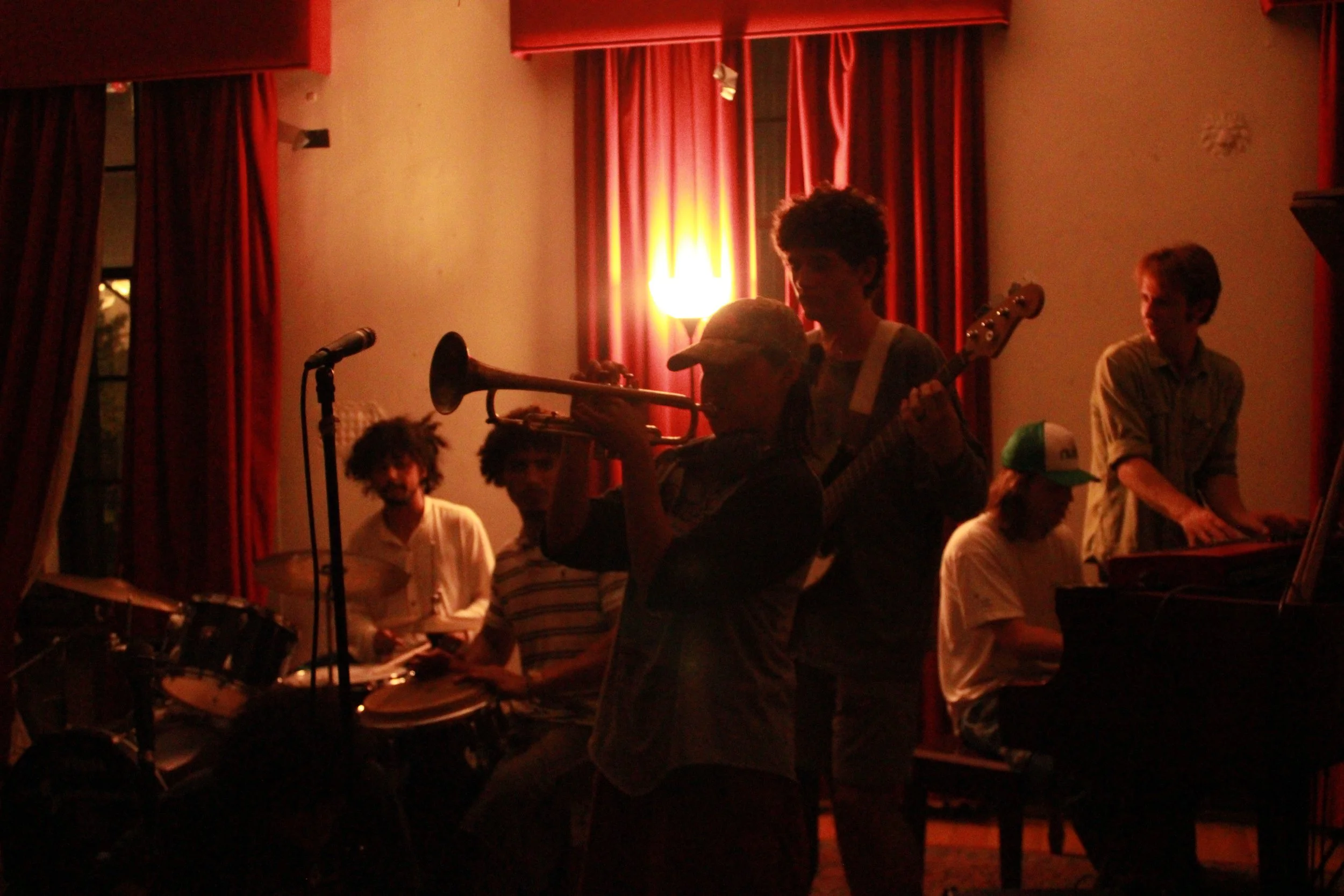
A reflection on a live jazz performance of Childish Gambino’s Redbone at Alpha Delta Phi, exploring how music creates community, shapes collective experience, and carries cultural memory. Blending musical analysis with cultural theory, the essay examines the relationship between sound, meaning, and the social spaces in which people listen.
May 10th, 2026 | Written by Abdulsamad Sulyman
Echoes of 1968: Police Presence and Student Protests at Columbia
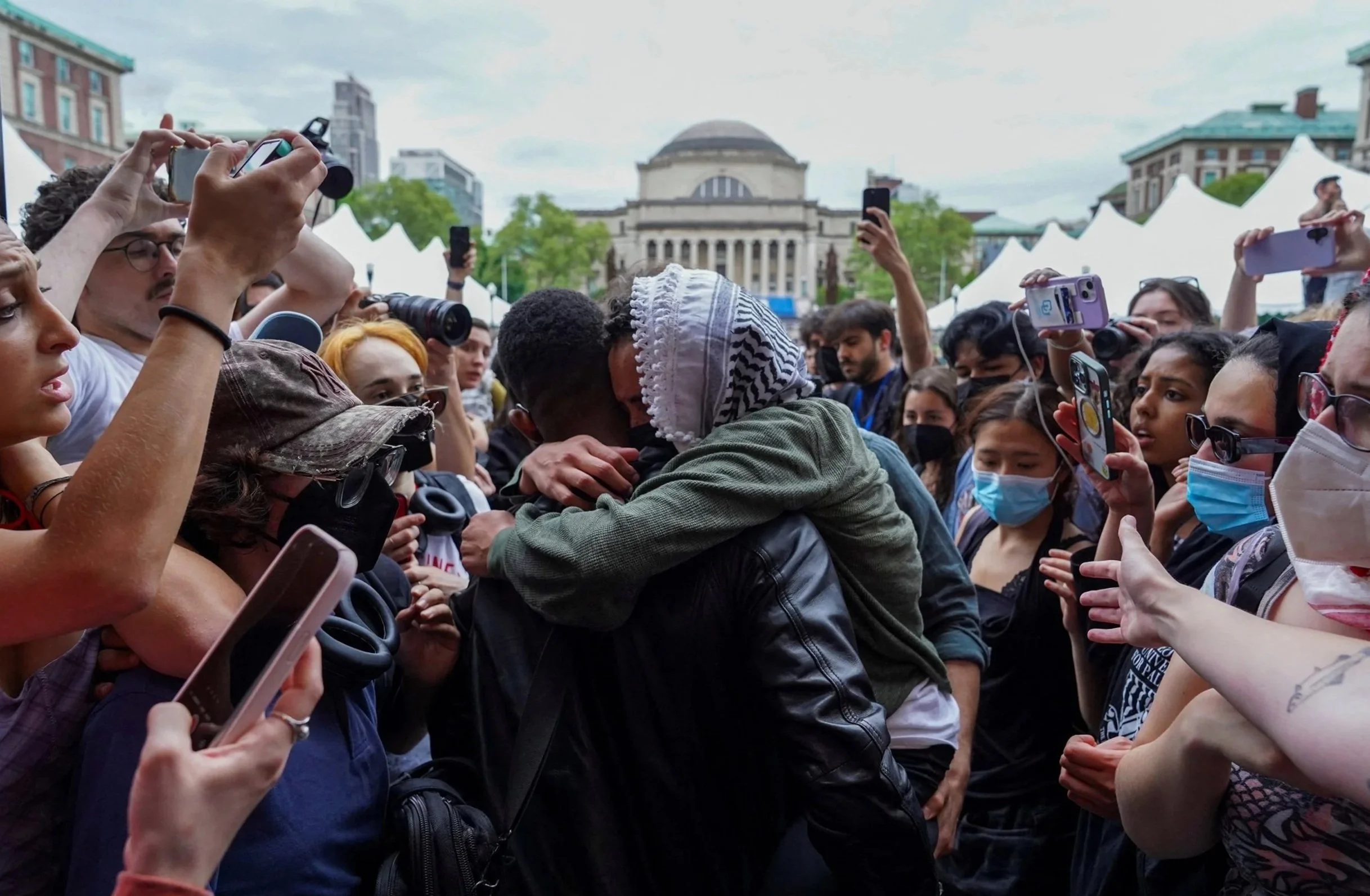
Photograph: Ryan Murphy/Reuters
A reflection on Columbia University protests past and present, analyzing how police presence and administrative decisions shape student activism and campus life. The essay connects historical and contemporary events to broader questions of safety, power, and institutional accountability.
April 20th, 2024 | Written by Abdulsamad Sulyman
Colonialism as an Intimate Violence: A Critical Review of Ashis Nandy’s The Intimate Enemy
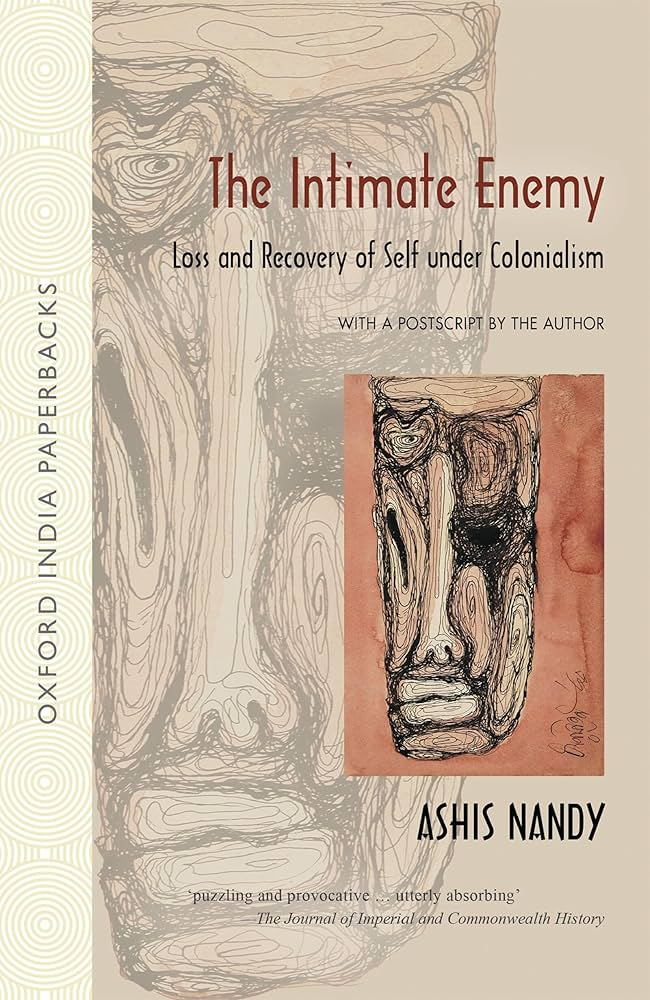
A critical review of Ashis Nandy’s The Intimate Enemy, exploring how colonialism operates not only through institutions but through the psychological and cultural transformation of both colonizer and colonized. The essay evaluates Nandy’s influential theory of internalized domination while examining the complexities of collaboration, resistance, and decolonization.
March 28th, 2026 | Written by Abdulsamad Sulyman
The Connoisseur’s Responsibility
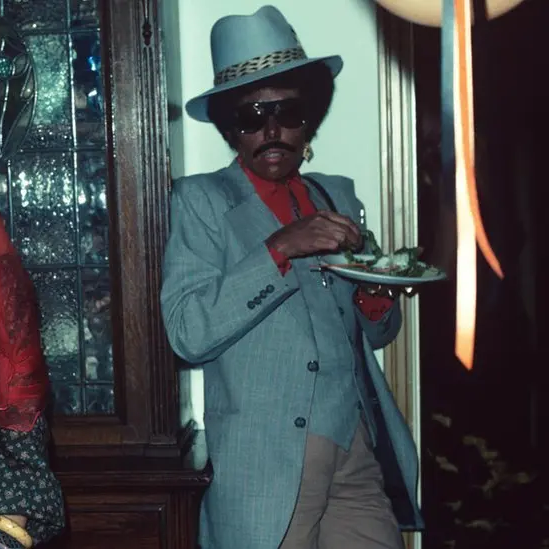
Photograph: Henry Diltz
A critical reflection on a 1976 Halloween party involving Leland Sklar and Joni Mitchell, examining questions of performance, identity, and cultural appropriation within music culture. The essay engages with Zadie Smith’s “Some Notes on Attunement” to explore tensions between artistic admiration and the racial histories embedded in popular music. It ultimately questions how celebration and critique can coexist within acts of musical imitation and fandom.